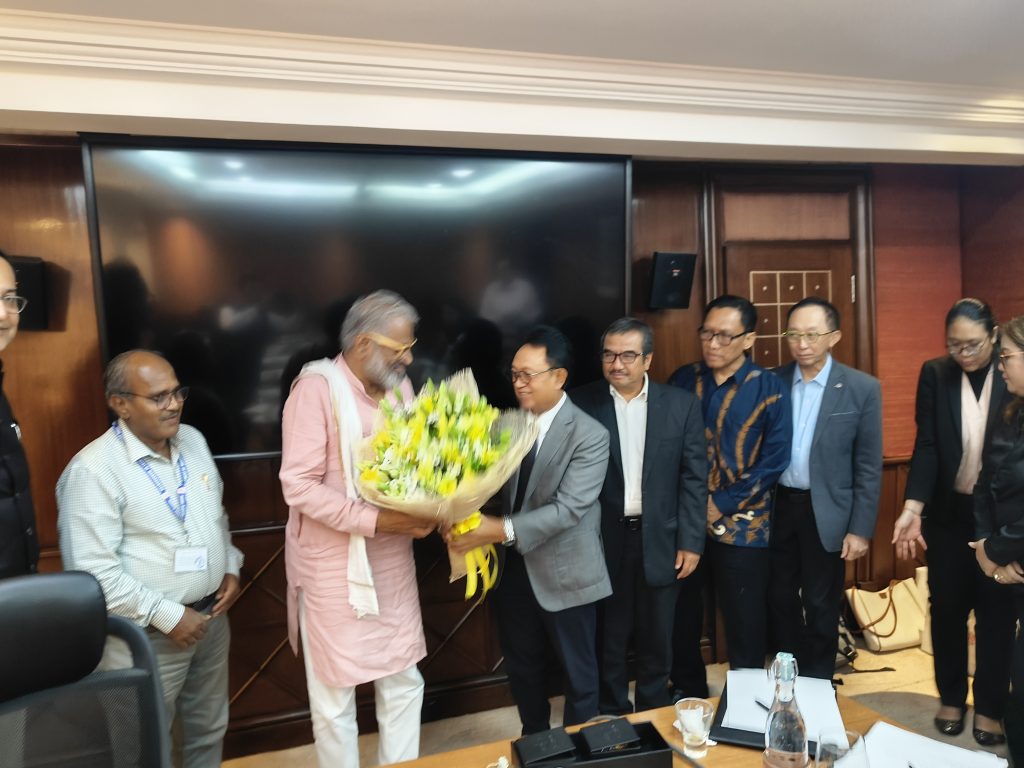
Mumbai: “To address the crisis of climate change and strengthen food security by meeting the domestic demand for edible oils, the feasibility of palm cultivation alongside bamboo will be examined, and policy decisions will be made,” assured Pasha Patel, Chairman of the Maharashtra Agriculture Price Commission and Executive Chairman of the Chief Minister’s Environment and Sustainable Development Task Force, to a senior delegation from Indonesia.
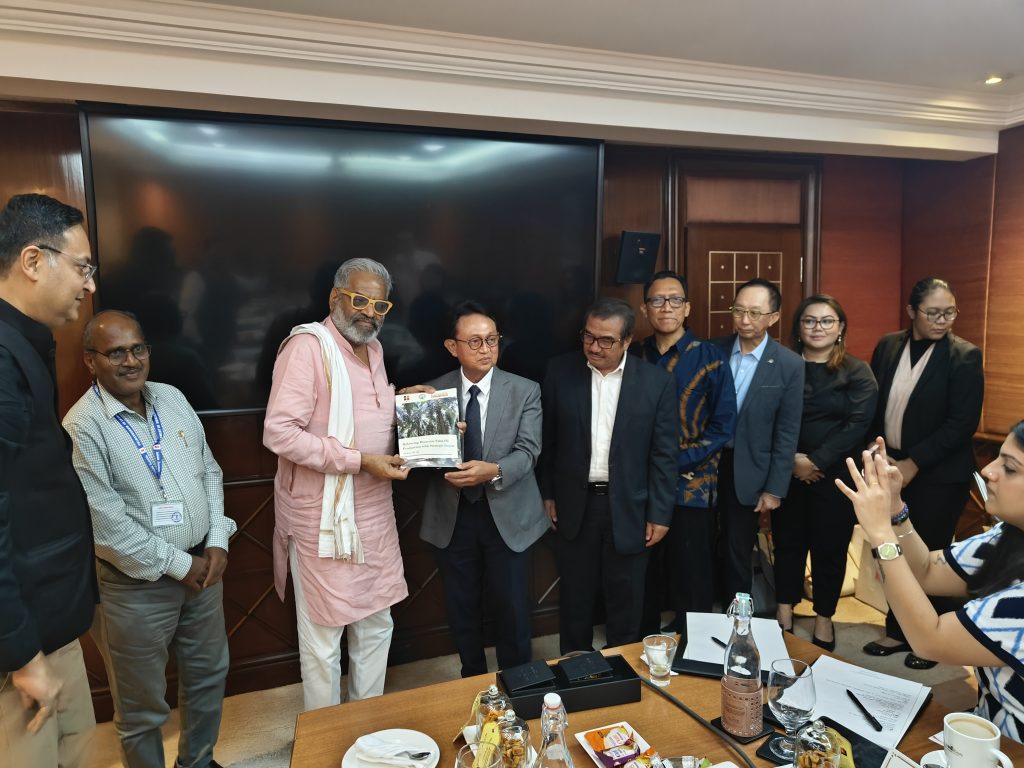
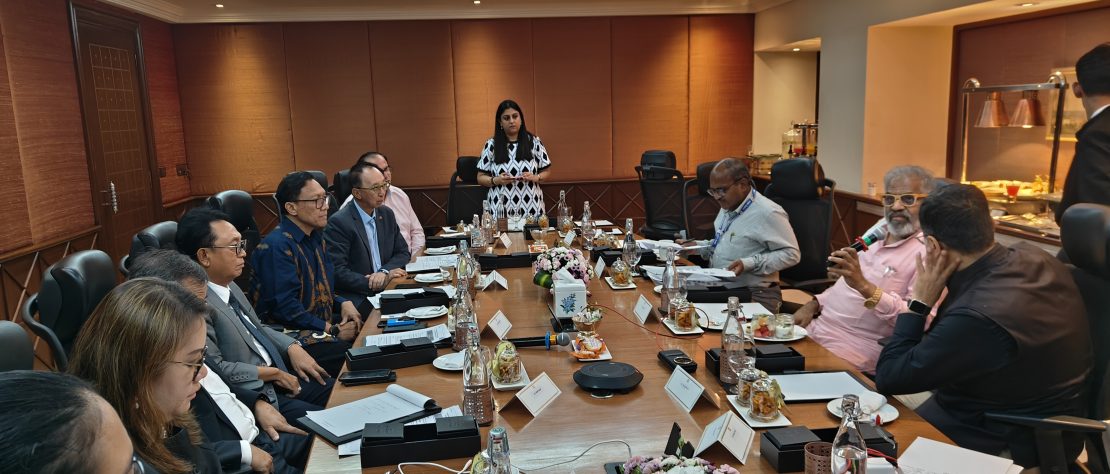
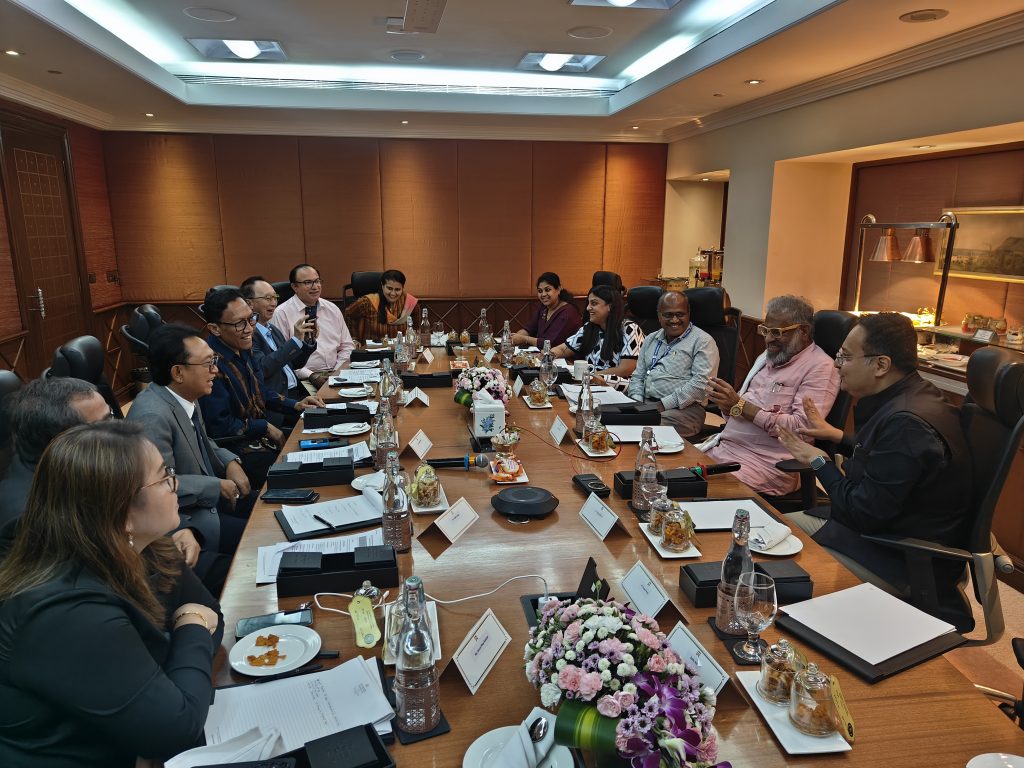
The Indonesian Palm Oil Association (IPOA), locally known as Gabungan Pengusaha Kelapa Sawit Indonesia (GAPKI), organized a high-level meeting on September 26 at the Grand Maratha Hotel in Mumbai, which was addressed by Patel. The event was attended by Mr. Eddy Martono (Chairman, IPOA/GAPKI), Dr. Fadhil Hasan (Head of Foreign Affairs, IPOA/GAPKI), June Kunkoro, Senior Diplomat (Minister), Ministry of Foreign Affairs of the Republic of Indonesia, Ni Made Mahatma Devi, Functional Diplomat at the Ministry of Foreign Affairs of the Republic of Indonesia, Seruni Rhea Sianipar, Indonesian Ambassadors Relation Compartment, GAPKI, and Deepak Pareek, Investment Advisor for Agriculture and Allied Industries, among other dignitaries.
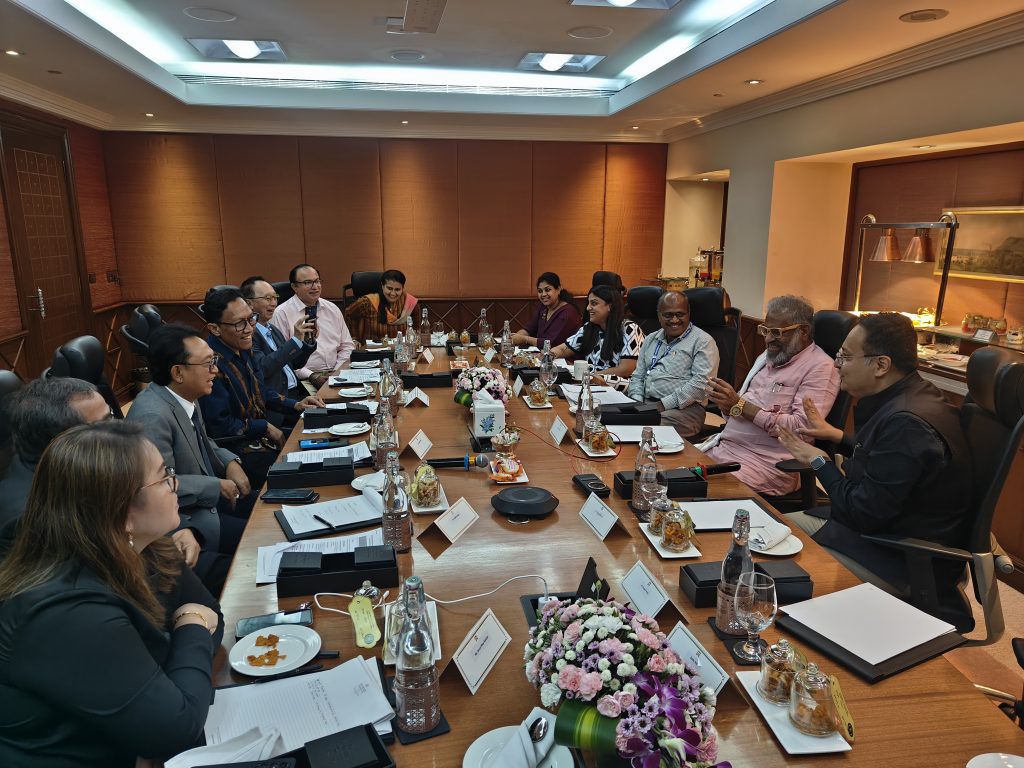
The high-level meeting focused on strengthening India-Indonesia cooperation in palm oil trade, ensuring stable supply, transparency, and sustainability, supporting India’s edible oil policy, and exploring palm cultivation experiments in India with Indonesia’s collaboration.
Eddy Martono stated, “Indonesia has currently permitted the export of palm oil seeds. Production is taking place on approximately one lakh hectares, with 22 companies engaged in the process of palm seed production. While providing technology to India, we do not consider India a competitor but a strategic partner. Addressing the misconception that palm oil causes health issues is crucial through consumer awareness. Overall, there are significant opportunities to enhance trade between the two countries.”
Speaking on the occasion, Pasha Patel said, “The crisis of climate change is evident not only in India but across the world. Discussions with countries like Ukraine and Russia, among others, took place during global conferences. The impact of climate change on agriculture has now become universal.” Highlighting the serious warning issued by the IPCC, Patel added, “If carbon emissions reach 450 PPM by 2050, survival for humanity will become challenging. To curb rising carbon emissions, temperature increases, and the climate change crisis, all countries need to come together. The technology to produce biodiesel from palm oil in Indonesia is essential for India.”
Mixed farming of bamboo and palm oil can help mitigate the climate change crisis, meet edible oil demands, and realize the dream of a self-reliant India. A refinery for producing ethanol from bamboo has already started in Numaligarh (Assam), and all thermal power projects will gradually reduce coal usage by utilizing biomass. The future energy battle is between biofuels and fossil fuels. Bamboo and our mixed farming approach will undoubtedly strengthen this sustainable policy, Patel concluded.